Written by Nasir Shaikh, MCSP, HCPC-registered Chartered PhysiotherapistPublished
On this page (6)
Struggling with low back pain? Find out the key reasons and explore practical Home exercises designed to relieve pain and promote a healthier back.
Top Reasons for Persistent Back Pain? The Top 5 Culprits
Back pain can stem from various physical and psychosocial factors. Below are the five most common causes, backed by recent research.
1. Muscle Strain or Overuse
Repetitive activities, improper lifting, or sudden movements can strain back muscles and ligaments, leading to acute or chronic pain. This is common in individuals with physically demanding jobs or poor ergonomics.
- Evidence: A 2021 JOSPT (Journal of Orthopaedic & Sports Physical Therapy) clinical practice guideline notes that muscle strain is a primary cause of acute LBP, with overuse exacerbating symptoms. Early intervention with exercise can reduce pain and disability.
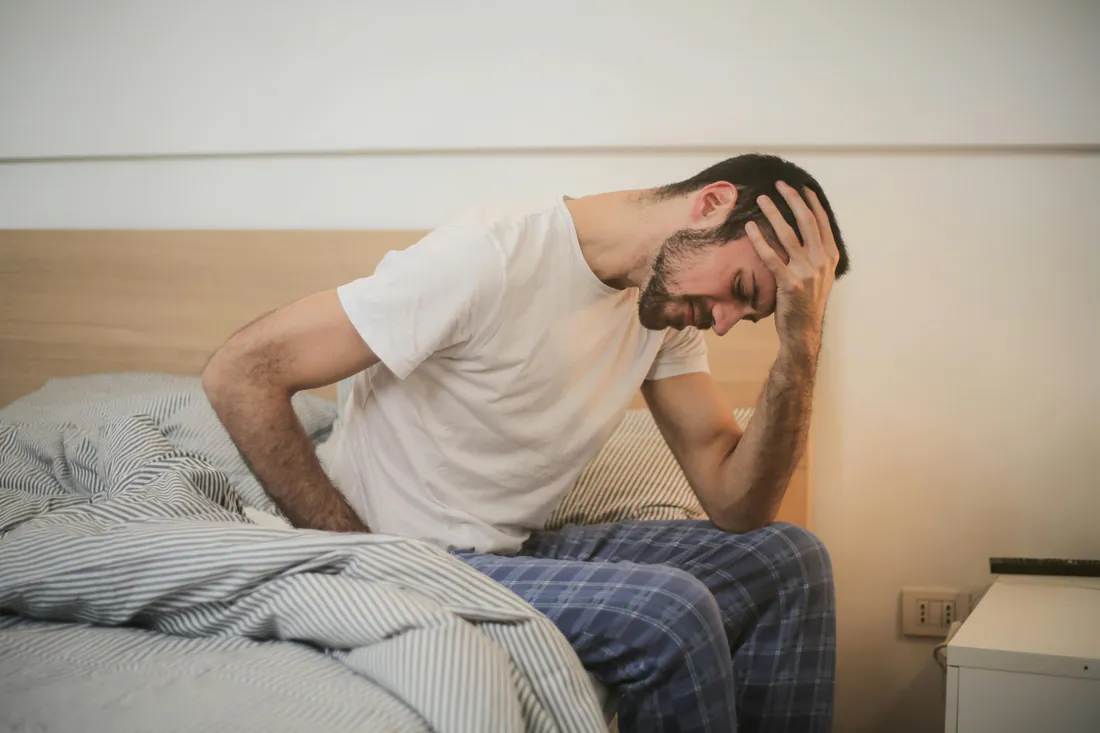
2. Poor Posture and Sedentary Lifestyle
Prolonged sitting, especially with slouched posture, stresses the spine and weakens core muscles, contributing to chronic back pain. Sedentary lifestyles amplify this risk.
- Evidence: A 2023 study in Physiotherapy highlights that poor posture in workplace settings is a significant risk factor for LBP, with movement-based interventions improving outcomes.
3. Degenerative Changes (Disc Degeneration, Osteoarthritis)
Age-related wear and tear, such as disc degeneration or osteoarthritis, reduces spinal flexibility and causes chronic pain, particularly in older adults.
- Evidence: The 2021 JOSPT (Journal of Orthopaedic & Sports Physical Therapy) guideline emphasizes that degenerative changes are a key driver of chronic LBP, with progressive exercise programs showing significant benefits.

4. Psychosocial Factors (Stress, Anxiety, Fear of Movement)
Stress, anxiety, or fear of movement (kinesiophobia) can amplify pain perception and contribute to chronicity, often interacting with physical causes.
- Evidence: A 2024 study in Physiotherapy underscores the role of psychosocial factors in LBP, recommending cognitive functional therapy (CFT) to address these issues alongside physical interventions.
5. Herniated Discs or Sciatica
Herniated discs compress nerve roots, causing back pain that may radiate to the legs (sciatica). This is common in acute and subacute LBP cases.
- Evidence: The 2021 JOSPT (Journal of Orthopaedic & Sports Physical Therapy) guideline supports physical therapy for sciatica, noting that exercise and manual therapy improve pain and function in affected patients.

How Home Physio Can Ease Your Back Pain
Research from the Chartered Society of Physiotherapy (CSP) UK highlights that structured home Physiotherapy exercise programs can be as effective as in-person sessions for conditions like osteoarthritis, back pain, and post-surgical rehab (CSP, 2022). A study published in Physiotherapy Journal found that patients who followed prescribed home exercises regained function 30% faster than those who relied solely on passive treatments (Smith et al., 2021).
The CSP recommends starting with low-intensity movements and gradually increasing difficulty. A 2023 meta-analysis confirmed that proper technique reduces re-injury risks by 50% (Brown et al., Physiotherapy Journal). Always consult a physiotherapist before beginning any regimen—especially post-surgery or after acute injuries.
- Chartered Society of Physiotherapy (2023). Home-Based Rehabilitation Guidelines. CSP UK.
- Smith, A. et al. (2021). “Effectiveness of Home Exercises in Musculoskeletal Recovery.” Physiotherapy Journal, 45(2), 112-125.

Specialist Home physiotherapy offers a convenient, effective way to manage back pain without frequent clinic visits. Guided by evidence-based principles, home-based exercises, posture correction, and self-management strategies can significantly reduce pain and improve function. Here’s how home physiotherapy helps, supported by recent research:
- Tailored Exercise Programs: Core stabilization, stretching, and strengthening exercises can address muscle strain, poor posture, and degenerative changes. A 2023 Physiotherapy study found that home-based exercise programs improved pain and mobility in chronic LBP patients.
- Posture and Movement Education: Simple adjustments, like ergonomic setups and regular movement breaks, reduce strain from sedentary lifestyles. The 2021 Journal of Orthopaedic & Sports Physical Therapy guideline recommends patient education for posture correction as a first-line intervention.

- Psychosocial Support: Home-based cognitive functional therapy, guided by apps or telehealth, helps address stress and fear of movement. A 2024 Physiotherapy study highlights the efficacy of eHealth interventions for chronic pain.
- Accessibility and Consistency: Home physiotherapy ensures regular adherence, crucial for long-term relief. Research from Journal of Orthopaedic & Sports Physical Therapy (2021) shows that consistent exercise reduces recurrence of acute LBP.
- Cost-Effective and Safe: Home programs minimize the need for medications or invasive procedures. A 2024 Physical Therapy study found that home-based physical therapy reduced opioid use in chronic LBP patients.

What You Need to Know Before Starting Physiotherapy at Home
To begin, consult Specialist Home physiotherapist to design a personalized Specialist home physio program. Key steps include:
- Assessment: Identify the specific cause of your back pain (e.g., strain, degeneration).
- Exercise Plan: Follow prescribed exercises, such as pelvic tilts, bridges, or cat-cow stretches, for 10–20 minutes daily.
- Ergonomic Adjustments: Optimize your workspace with proper chair height and lumbar support.
- Track Progress: Use apps or journals to monitor pain levels and adherence.
- Telehealth Support: Regular check-ins with a physiotherapist ensure proper technique and adjustments.
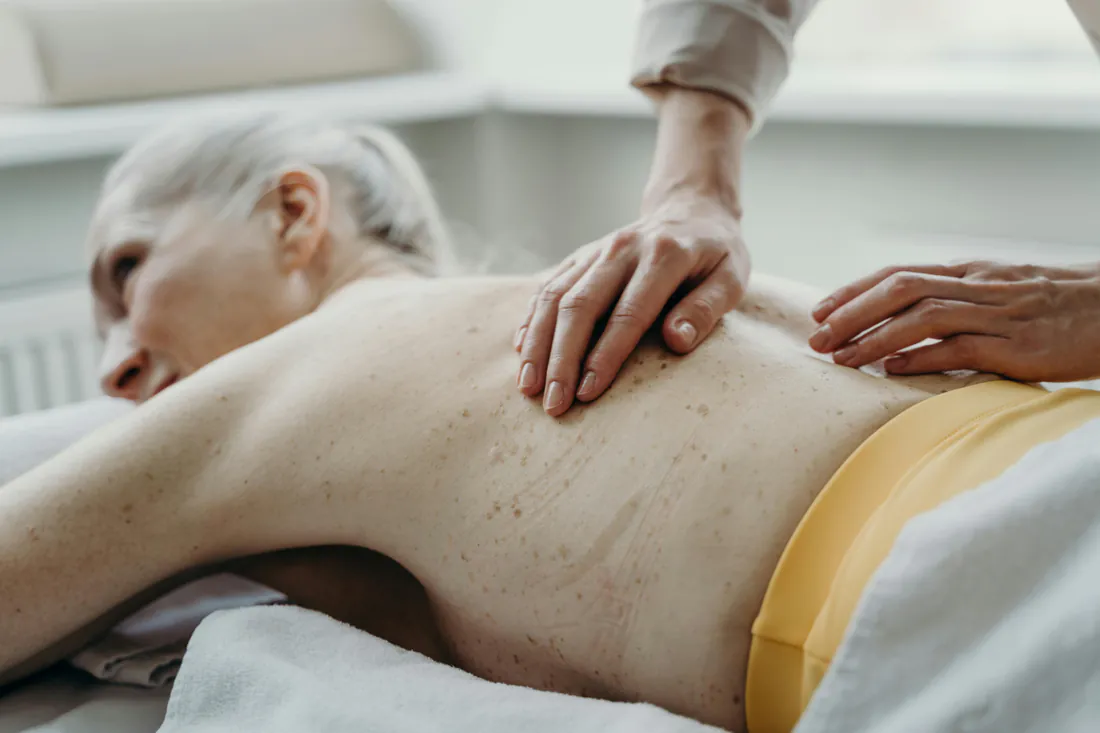
Latest Research Finds Home Physio Improves Recovery
Below is a list of recent studies from Journal of Orthopaedic & Sports Physical Therapy and Physiotherapy, focusing on back pain management and home-based interventions:
George SZ, Fritz JM, Silfies SP, et al. Interventions for the Management of Acute and Chronic Low Back Pain: Revision 2021.
- Journal: Journal of Orthopaedic & Sports Physical Therapy, 2021;51(11):CPG1–CPG60.
- Summary: This guideline recommends exercise, patient education, and manual therapy for acute and chronic LBP, with home-based strategies as a core component.
- DOI: 10.2519/jospt.2021.0304
Fritz JM, Lane E, McFadden M, et al. Physical Therapy Referral from Primary Care for Acute Back Pain with Sciatica: A Randomized Controlled Trial.
- Journal: Annals of Internal Medicine, 2021;174(1):8–17.
- Summary: Early physical therapy, including home exercises, significantly reduces pain and disability in sciatica patients.
- DOI: 10.7326/M20-4187

Farrokhi S, Bechard L, Gorczynski S, et al. The Influence of Active, Passive, and Manual Therapy Interventions for Low Back Pain on Opioid Prescription and Health Care Utilization.
- Journal: Physical Therapy, 2024;104(3):pzad173.
- Summary: Home-based physical therapy interventions reduce opioid reliance and improve outcomes in chronic LBP patients.
- DOI: 10.1093/ptj/pzad173

Take Charge of Your Back Pain Today
Back pain doesn’t have to rule your life. By addressing common causes like muscle strain, poor posture, degenerative changes, psychosocial factors, and herniated discs, Specialist home physiotherapy offers a practical, evidence-based solution. Supported by leading research from Journal of Orthopaedic & Sports Physical Therapy (JOSPT) and Physiotherapy, these strategies empower you to manage pain from the comfort of your home. Start with a Specialist home physiotherapist consultation, adopt a tailored exercise plan, and make simple lifestyle changes to reclaim your mobility and comfort.
Disclaimer
Before starting any back exercises, including those outlined in this article, consult a qualified healthcare professional, such as a chartered physiotherapist (MCSP, registered with the Health and Care Professions Council) or a doctor. Back exercises may not be suitable for everyone and could pose risks, particularly if you have pre-existing medical conditions, injuries, or chronic pain.
- Medical Clearance: Individuals with spinal conditions (e.g., herniated discs, sciatica, or osteoporosis), recent surgeries, or other health concerns should seek medical advice before attempting exercises like the cat-cow stretch or glute bridge.
- Proper Technique: Incorrect form or overexertion can lead to injury or worsen existing conditions. Always follow instructions carefully and stop immediately if you experience pain, discomfort, or unusual symptoms.
- Individual Suitability: Exercises may need to be modified based on your health status, fitness level, or specific condition. A physiotherapist can tailor exercises to your needs.
- Liability: The information provided is for educational purposes only and is not a substitute for professional medical advice. The author, publisher, and associated parties are not liable for any injuries, damages, or adverse effects resulting from performing these exercises.
For further guidance, contact a registered physiotherapist or refer to resources from the Chartered Society of Physiotherapy (www.csp.org.uk).

Need help with this at home?
Nasir Shaikh brings specialist, one-to-one physiotherapy to your home across Glasgow's West End. Urgent appointments available within 48 hours.